
一、What is diamond blades ? | |
| |
A diamond blade is a high-quality blade that take advantage of the hardness of diamonds by using tiny pieces of diamonds to enhance the blade's cutting abilities. The blade has a steel core that is surrounded by a powder metal coating that contains diamond segments. This type of blade can be used to cut through a wide range of building materials, leaving behind a precise cut. These blades are utilized in many types of construction projects. | |
二、What is the application ? | |
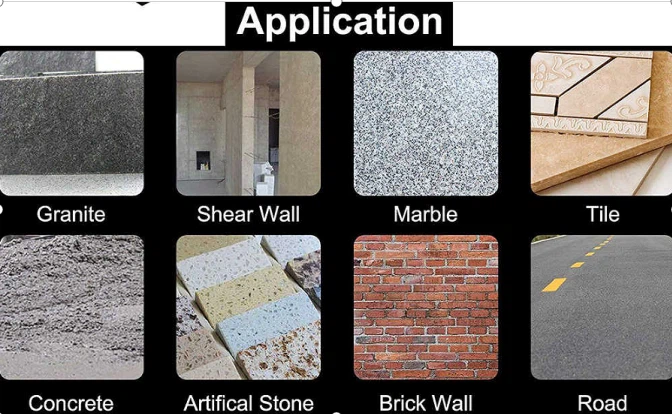
Most diamond blades are used to cut through concrete, brick, tile, and asphalt. But, not all blades are the same. Each blade comes with a different styles, shape, and grooves which come into play in it's ability to cut. Usually, each blade is specialized to cut a certain material or hardness of materials.
| |
| |
三、How may types for diamond blade ? | |
| 1. Segmented diamond blade. This segmented diamond blade delivers rough cuts. As a dry cutting blade, it can be used for dry applications without water as it is perfect for cutouts. through segments. It is designed for use on concrete, brick, concrete pavers, masonry, blockwork, hard or reinforced concrete, and limestone. They allow air circulation and cooling of the blade core. The other function of the segments is to allow better evacuation of debris, for faster cuts. |
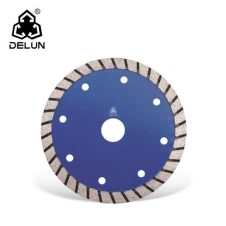
| 2. Turbo diamond blade. Our Turbo diamond blade is designed to provide fast cuts in both wet and dry applications. The small segments on the diamond rim blade allow the blade to cool quickly, as air can pass through. This leads to a cooling effect and the dispersion throughout the blade also has the same function. With its perfect design, this blade cuts faster, while pushing the material. This blade effectively cuts concrete, brick and limestone materials. |
| 3. Continuous diamond blade. The continuous diamond blade is perfect when you need to perform wet cuts. The first advantage when using our diamond cutting blade is that you can use water when cutting materials. The water significantly cools the blade, improving its longevity and washing away any debris to help reduce friction in the cutting area. With this cutting blade, you can achieve fast results with less dust. |
四、What is the wet cutting and dry cutting ? There are two types of diamond blades for tiles: wet cutting diamond blades and dry cutting diamond blades. The blade you choose depends on the type of job you are doing, the machine you are putting the blade in, and the material you are cutting. Plus, you should also take into consideration your personal preferences when choosing the right blade for you. Whichever option you choose, here are some important diamond blade do's and don’ts to keep in mind to protect your investment, your project, and your personal safety. | |
1. Wet Cutting Diamond Blade Do’s ü Wet cutting requires continuous water flow to every side of the blade to reduce friction during operation and maintain blade life and cutting efficiency. Make sure the water flow isn’t blocked or hindered and that all fluids are at the right levels. ü Inspect the diamond blade to see if there is any damage during shipment or from previous use. Damaged blades should not be used. ü Check the manufacturer’s guide and ensure that you are using the recommended pulley sizes and operating speeds. ü Check mounting flanges for equal diameter, flatness, and excess wear and tear. The mounting flanges should have enough space around the arbor hole. ü Periodically check the blade for any marks or cracks in the steel centre or segments. Check for excessive wear and tear under the segments as well. ü Ensure that the diamond saw blade is mounted on the right diameter blade shaft between proper blade flanges and use a wrench to securely tighten it in place. | |
2. Wet Cutting Diamond Blade Don’ts × Don’t use the blade without checking that it is designed for the material you are cutting. × Don’t use a new blade or remount a used one that has a core that is not flat or cracked. Never use damaged blades. × Don’t use mounting flanges where the bearing surfaces are not clean or flat. × Never force an incorrect-sized blade onto the machine. If you do, you will risk damaging the blade and the machine, and create unsafe operating conditions. × Don’t stand in direct line of the blades during start-up or operation. | |
3. Dry Cutting Diamond Blade Do’s Similar to wet cutting, you should always follow the manufacturer’s recommendations about the specification for material and suitability of that material for dry cutting applications. Before you begin cutting, you should: ü Inspect the diamond saw blade for any damage that could have occurred from shipment or previous use. ü Inspect the blade during use, examine core flatness, fatigue cracks, segment damage, undercutting, and damage to the arbor hole. ü Check the mounting flanges to make sure they are the correct diameter and ensure they do not have any excessive wear and tear that could compromise the project and your safety. ü Inspect for proper saw machine conditions and that the spindle bearings are void of end and radial play. You can check the manufacturer’s guide for proper maintenance conditions. ü Follow the manufacturer recommendations for the right operating speeds depending on the blade diameters. ü Maintain a firm grip of the hand-held saws while cutting. ü Wear proper safety equipment while using the dry cutter, such as safety glasses, footwear, snug clothing, hearing and head protection, and respiratory protection when needed. | |
4. Dry Cutting Diamond Blade Don’ts × Never cut dry unless the blade is specially designed for dry cutting by the manufacturer. × Don’t go beyond the maximum operating speed—this will prevent you from damaging the blade or causing too much friction and heat. × Never operate the saw without using proper safety guards. × Never use the blade to cut a material other than what is recommended by the manufacturer. × Do not force fit the blade on any saw other than what is specified by the manufacturer. × Don’t force the blade onto the machine blade shaft, adjust the size of the mounting hole, or over-tighten the mounting nut. × Never stand in direct line with a diamond or abrasive blade during operation, or start-up. × Do not try to cut more than 1 ½ inches deep per pass using dry cut blades. × Do not make continuous, long cuts with this type of blade. Give it time to cool down by turning in the air every few minutes. × Do not force the blade into the material to be cut. Let the blade cut at its own pace. × Do not cut for grind using the sides of the diamond blade. | |
Kontakte nou
No.101th Tongtai Wout, Zhiying Endistriyèl Zòn, Yongkang Vil, Zhejiang Pwovens, Lachin
+86-18266939212
what is diamond saw blade
Dec 08, 2022


Ou ka renmen tou


Voye rechèch